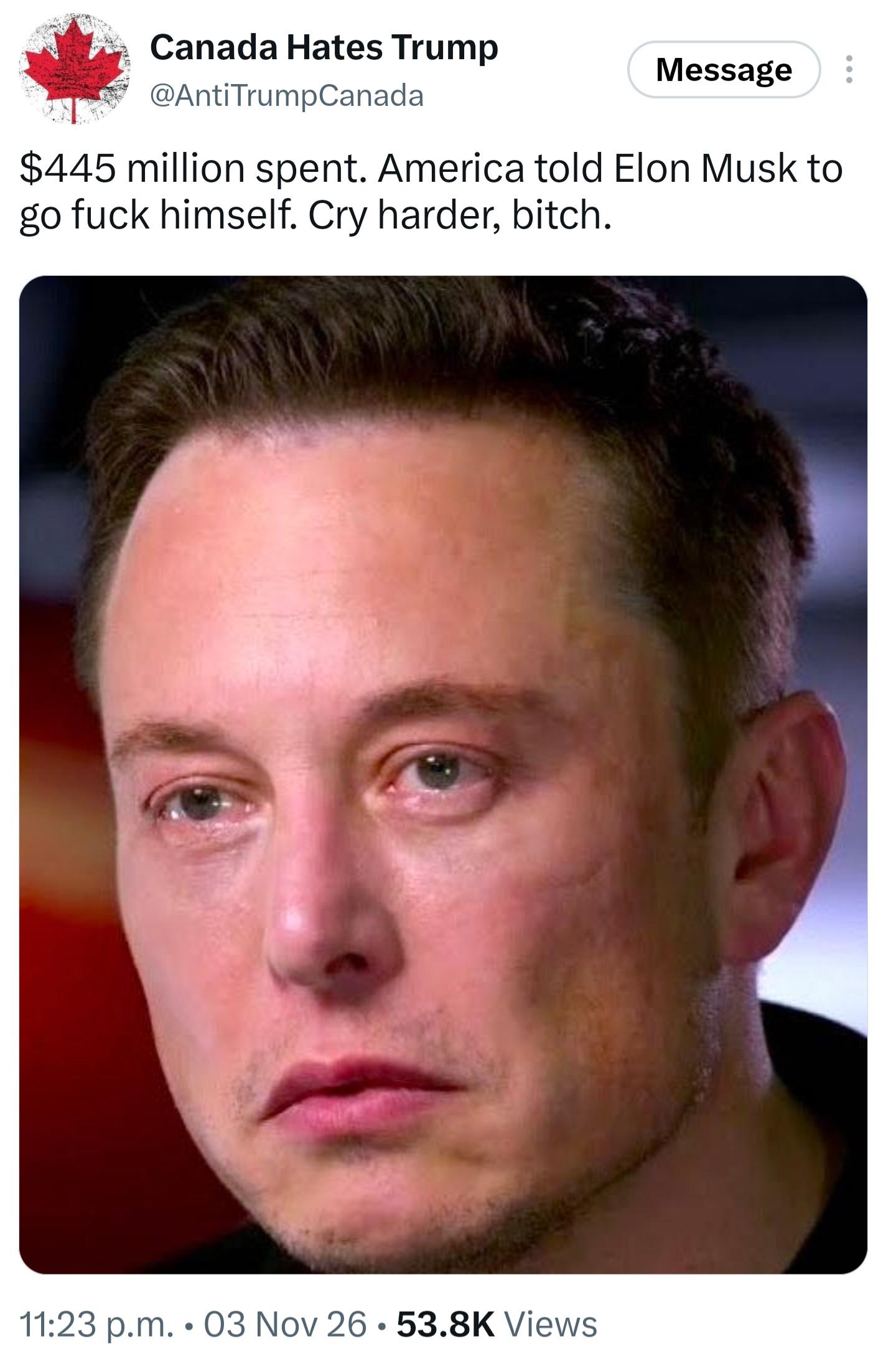
High-stakes political spending has once again taken center stage in public discourse, raising fresh questions about the influence of ultra-wealthy figures in modern elections. When immense financial backing fails to deliver the expected political outcome, it frequently ignites intense debate over wealth, accountability, and the proper role of private fortunes in shaping public policy.
The Impact of High-Dollar Political Influence
In recent election cycles, individual donors and corporate executives have poured unprecedented sums into campaign strategy, digital endorsements, and grassroots mobilization. However, massive financial investments do not always guarantee victory at the ballot box. When prominent figures throw their resources and personal brand behind specific political movements or candidates, voters often weigh those endorsements against broader economic and societal concerns.
Following notable political setbacks, public commentary often centers on whether political spending on this scale represents a systemic issue. Many observers point out the vast contrast between individual political expenditures and community needs, arguing that large capital outlays could be redirected toward social initiatives or infrastructure.
"All of the good he could have done with that money. TAX THE RICH!!!"
Others contend that despite the record-breaking sums spent across modern races, money ultimately has its limits when running against deeply rooted voter sentiments.
"I guess money can’t buy everything"
Calls for Regulatory Oversight and Accountability
Beyond the immediate electoral results, political analysts and observers have turned their attention to potential regulatory and legislative follow-up. Discussions regarding governmental efficiency initiatives, government contracting, and public oversight frequently arise when political donors hold significant stakes in federally funded industries.
Calls for congressional inquiries and deeper scrutinies of administrative operations have gained traction among critics who argue that political involvement should carry greater public transparency.
"Subpoena him. Got a lot of DOGE stuff to explain to Americans"
As the political landscape continues to evolve, the debate over campaign finance reform, donor influence, and the boundary between private wealth and public governance remains one of the most polarizing topics in contemporary policy.